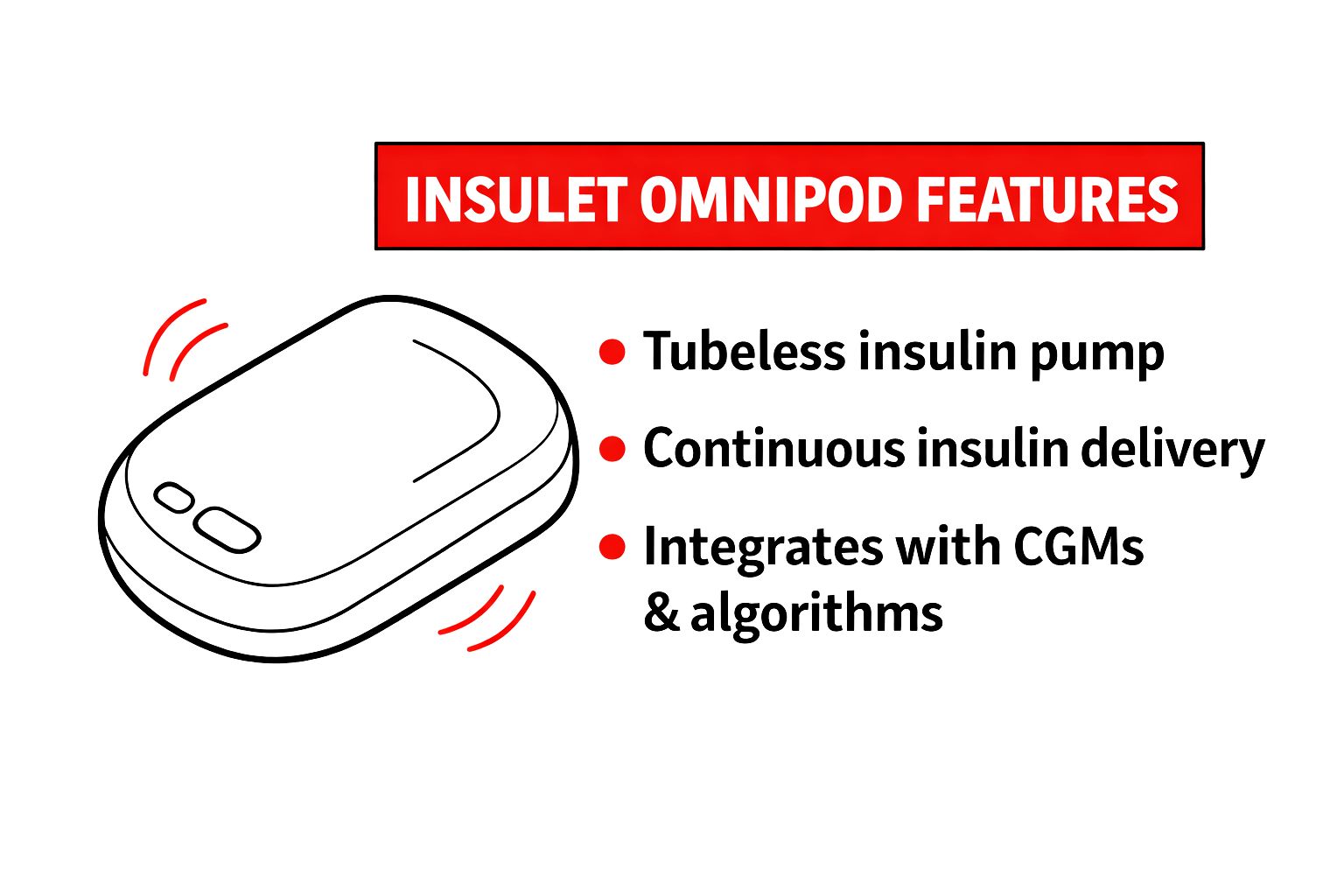
Automated insulin delivery is becoming a “regulated ecosystem,” not a single device.
Insulet announced it will present at the 44th Annual J.P. Morgan Healthcare Conference on January 13, 2026, a reminder that diabetes technology remains one of the most active areas for innovation and investment.
What’s changing (and what large manufacturers care about) is the regulatory shape of these products.
Many modern automated insulin delivery approaches rely on algorithm-drive software that adjusts insulin delivery based on continuous input. The FDA has described this clearly in public communications about insulin pump + algorithm-based software supporting automatic insulin delivery.
In the EU, that “ecosystem” reality matters even more in 2026 because manufacturers must align:
🟥 MDR lifecycle obligations (technical documentation, vigilance, post-market surveillance), and
🟥 a fast-growing AI governance landscape, where the Commission is actively proposing changes that affect how MDR/IVDR interact with the AI Act framework.
🟥 For large portfolios (pumps, sensors, digital components, combination products), the differentiator is rarely a single pre-market milestone.
It’s whether the organization can run an audit-ready lifecycle system, especially for post-market surveillance reporting expectations (including PMS reports/PSURs and structured PMS systems)
and change management that keeps the benefit-risk story coherent over time.
At confinis, we help teams translate “connected therapy” into submission strategy + evidence planning + post-market execution, so innovation doesn’t outpace compliance.
For automated insulin delivery ecosystems, what is harder in your organization right now: aligning the regulatory frameworks, or operationalizing post-market evidence at scale?
While you focus on innovation, we take care of the regulatory path!